
“We Are the Founders”
September 4, 2026
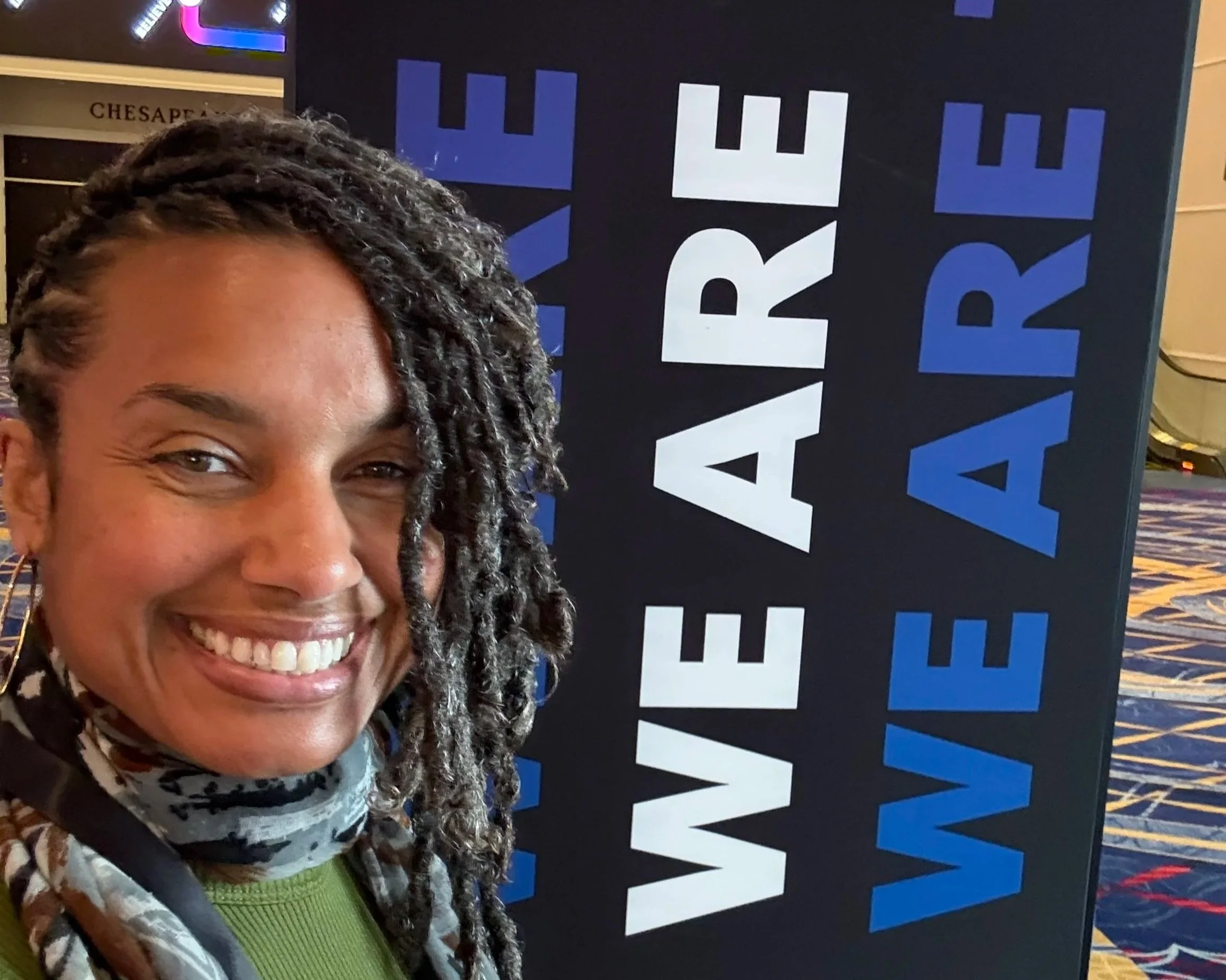
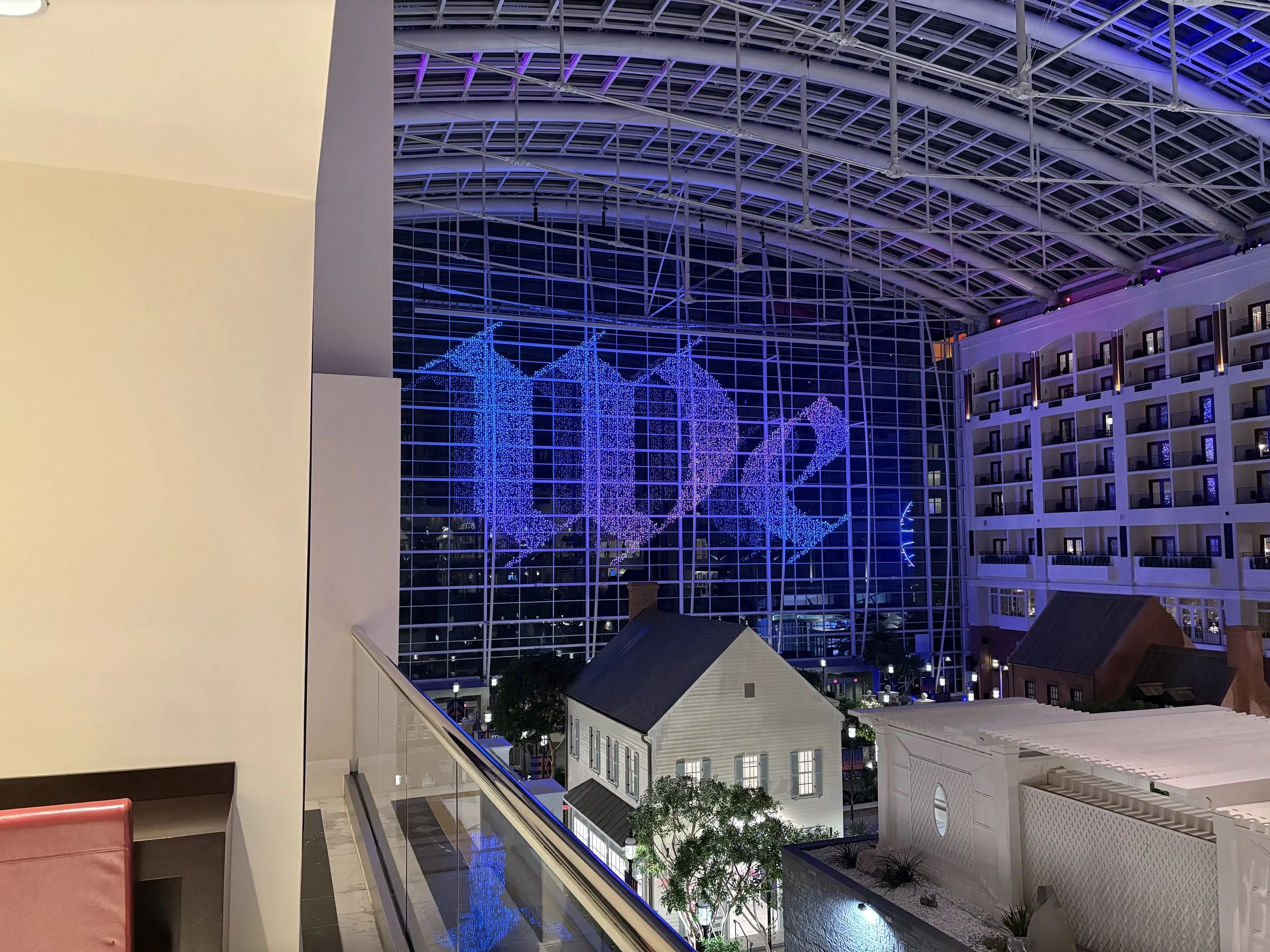
“We are the founders” was written in bold, large letters on signs across the Gaylord National Resort. The words “We” and “All” were lit up, posted, and highlighted for all to see everywhere we looked. They were even on our hotel keycards and do-not-disturb signs. It was a beautiful takeover.
I felt inspired, surprised, joyful, excited, and honestly a little in awe. There was something powerful about being surrounded by these words and this invitation everywhere we went.
PolicyLink led this inspirational conference the last week of August 2026, where we journeyed through history with people like Sherrilyn Ifill, who took us on a deep dive into the 14th Amendment, and explored the various founding moments of this country. By the end, many of us not only believed but actually stepped into the role of founder of this nation, a new nation for ALL.
While inspiring, this is hard work.
What Does It Mean to Be a Founder?
What does it mean to be a founder, and of a nation at that?
I’m a founder of an organization. To me, it’s meant creativity and creation, innovation and leadership, relationship and team building, thought and action. A nation is an organization, but on a whole other scale.
If we’re going to be founders of a new nation, we must collectively and interdependently step into many roles: innovator, creator, visionary, strategist, team builder, steward, organizer, manager, facilitator, healer.
For leaders and changemakers, what does this mean for you, for us?
Many of us are already assuming some of these roles day to day. But being a founder of a nation calls for a larger scope and perspective. It means seeing in ways that uplift how Samuel Taylor Coleridge described beauty: “unity in variety.” It means linking our individual and organizational efforts to other efforts, seeing the intersections across issues, using systems thinking, and building bridges.
What Could a New Nation Look Like?
When I think about a new nation, I imagine social, cultural, and physical spaces grounded in love and care for each other…and systems and laws that reflect that care. I imagine belonging, collective wellbeing, and collective self-determination. Communities have the ability to govern themselves and respond to what is needed and wanted locally, with the resources and support of larger governments.
It means thinking “glocally”—locally and globally, and in this case, nationally too. It means being able to see our local, regional, and national realities together, including what is happening now, what could be possible, and how our choices may affect different communities.
From “I” to “We”
And it means unity consciousness.
It’s “we” that predominates, not just “I.”
Unity consciousness asks us to care about the flourishing of the whole. It means thinking about the impact we have on each other as humans, on the land, and on other living things. It means wanting other people, organizations, communities, and causes to rise alongside our own. It means being as dedicated to our neighbor’s success and wellbeing as we are to our own.
What Do We Have to Become?
This is part of the inner work of becoming, too.
If we are going to help create a different world around us, what do we have to become within ourselves? What ways of thinking, relating, leading, and loving will allow us to become founders of the world we want to live in?
3 Practices for Being a Founder of a Nation
1. Use “we” as much as possible.
In sentences and spaces where it makes sense, use “we” instead of “I.” Language is so powerful. It shapes the way we think. When we use “we,” we begin to think more collectively and become more aware of our connection to each other.
2. Attend to your “neighbor’s” wellbeing.
This could be your actual neighbor, another organization, a church, a colleague, or a friend. Check on them. Send them resources. Lend a listening ear. Ask yourself what it would look like to care about their wellbeing and success alongside your own.
3. Practice intersectional thinking.
Take a cause you lead or support and journal about how that cause connects to other causes. Make a map of how they fit together. Look for connections you may not have noticed before. Then find one way to support more than one.
Want to Go Deeper?
Check out my speaker reel. I’d love to hear your thoughts and feedback on this idea.
Are you inspired? Put off? Intrigued?
What does your reaction say about us as potential founders of this nation?
And perhaps the bigger question: What kind of nation are you helping us become?
Reach out to me directly on LinkedIn. I’d love to hear what you think.